
What Goes Into a Commercial Before Anyone Says "Action"
Category: Video Production
Author: Laura Hepes
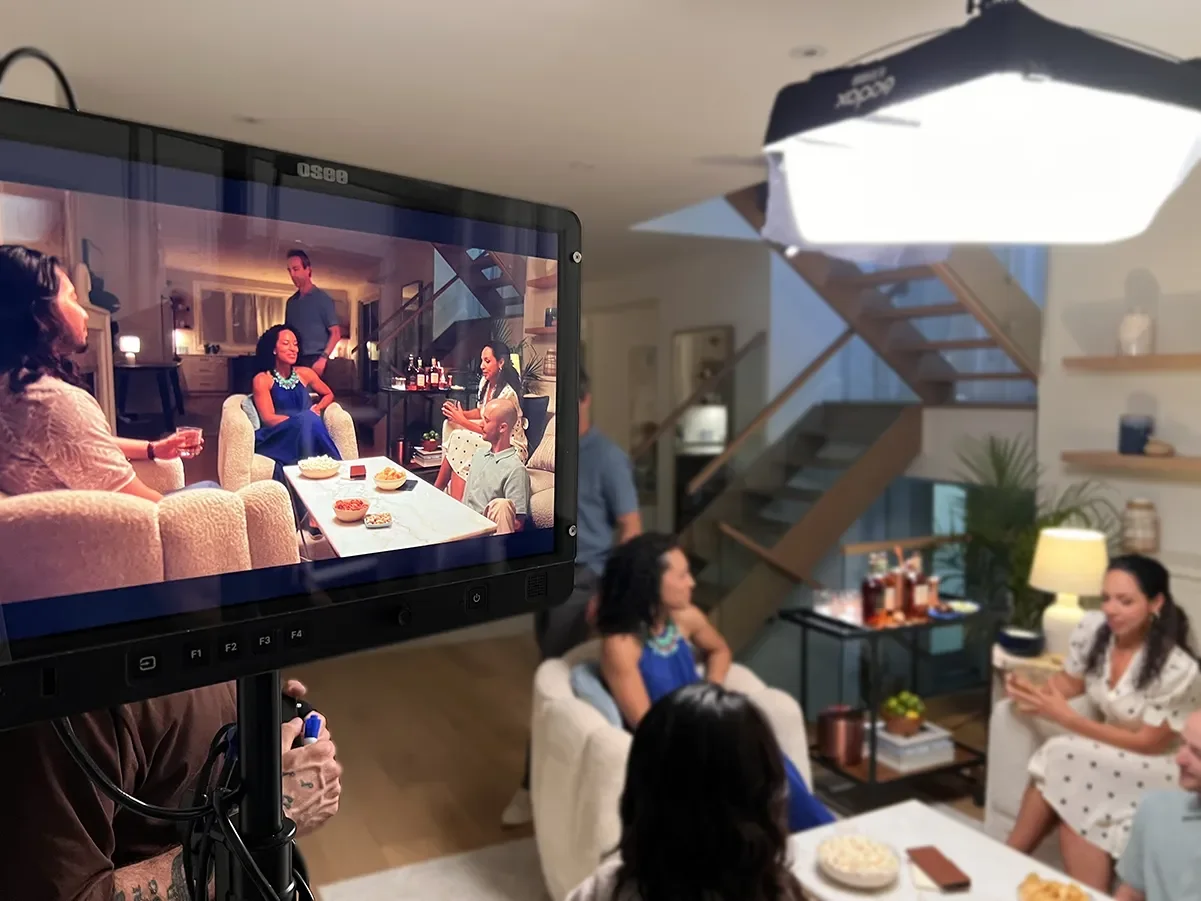
Most clients come to us with a brief, an objective and a deadline. Sometimes they even have a rough idea of what they want the commercial to feel like.
What they don't always come with is the knowledge about how much of the real work happens before the cameras ever roll and how much that preparation directly affects what ends up on screen.
The Appleton Estate campaign is a good example. The objective was simple; shoot three commercials in one location in one day. Here's how we got it all done.
1) Creative: Listening First, Writing Second
A brief tells you what a client wants.
A conversation tells you what they actually need.
When we sat down with the Appleton team, we learned some important information from our discussion that wasn't in the brief: the feeling they were after.
We dove deeper into what they wanted the audience to feel and how we wanted them to relate to the story. They didn’t just want friends having drinks, they wanted something deeper than that.
We landed on telling a series of stories that revolved around the frustration and the specific joy felt by lifelong friends who have finally navigated their busy schedules, last minute cancellations and hectic work life to make time for each other, and how special those moments are.
That insight became the creative engine for the entire campaign.
We developed three spots all shot in one location, with the same cast, in a single day — that could each stand alone as independent commercials but also worked together as a cohesive story:
TVC 1 — The constant rescheduling in the group text… And then, finally, the joy when everyone shows up.
TVC 2 — The extra care that goes into hosting those extra special friends who know you better than anyone else.
TVC 3 — The end of the night. You’ve picked up right where you left off, like no time has passed. It’s when the conversations are so good, nobody wants to leave.
For a client, this kind of creative thinking has a very practical benefit: you're not paying for three separate productions. You're getting three connected stories, built efficiently around a single shoot day without sacrificing the integrity of any one of them.
2) Storyboards and ASC Approval: Locking It In Before You Shoot
In food and beverage advertising, you don't get the luxury to figure it out on set.
Ad Standards Canada regulates what can be shown in alcohol advertising from which products are in frame and how they're presented, to what the context looks like. Before we called a single crew member, every shot in the Appleton campaign had been storyboarded, reviewed, and pre-approved.
For clients, this means something important: no surprises. No reshoots. No discovering on the day that a particular product placement isn't permitted. The storyboard approval process is your insurance policy and having it locked down in pre-production is one of the clearest signs of a production partner who knows their craft and this category inside and out.
03) Casting: More Than a Look
Casting is one of the decisions that has a large impact on a commercial.
I’ve been working in this industry for a long time, and when I’m reviewing casting selects, I’m not just looking at how someone looks on camera, but also their previous work, their natural relatability, how closely they match the character that exists in the script, and how they perform in the audition.
For the Appleton campaign, we needed five people who felt like they genuinely belonged in the same friend group. The kind of people you believe have twenty years of history together. That's not something you cast by appearance alone.
We put forward our first choice, and the client aligned on it immediately. The result on screen spoke for itself — the cast had a natural ease with each other. When a client trusts their production partner's casting instinct and experience, it shows in the final cut.
04) Wardrobe, Art Direction, Hair & Makeup: The Details That Make It Real
Here's something most clients don't realize until they've been through a production: the hours you spend making decisions on set are really expensive.
That's why, the day before the Appleton shoot, we brought the client in for a wardrobe fitting with all five cast members.
It took four hours.
And these hours would have otherwise been consumed on shoot day, cutting into camera time, lighting setups, and performance.
But it went beyond just the clothes. We were also aligning on hair and makeup direction — so our H&M artist could arrive fully prepared. Knowing in advance that one cast member needed curls versus another needing a straighter look meant we could accurately build the morning schedule, allocate the right time, and start rolling on time.
Art direction followed the same principle. Every prop was reviewed and approved. Background colours were chosen intentionally. What supports the brand palette? What competes with it? How does the overall visual environment feel when an Appleton bottle is in frame?
These aren't aesthetic decisions made for their own sake. They're brand decisions. And having a production partner who understands the difference is what separates a commercial that looks right from one that feels right.
Every section of this process has one thing in common: decisions made early cost far less than decisions made late.
Whether it's a creative insight from a client conversation, a storyboard that secures regulatory approval, a cast assembled with care, or a wardrobe fitting that saves four hours on shoot day — the value of good production is almost always invisible by the time the cameras roll.
That's exactly how it's supposed to be.
If you're a food or beverage brand thinking about your next commercial and you want a partner who brings this level of preparation to every project, we'd love to hear what you're building.
📅 Book a free 20-minute strategy session
📧 info@icebergmediaproductions.com
📞 416-997-5696
View BTS of Iceberg Media Productions’ broadcast commercial for Appleton Estate.